The Art of the Bluff: Mastering High-Stakes Poker Psychology
In the world of high-limit Texas Hold'em, a successful bluff is not a reckless gamble—it is a calculated narrative built street by street. Understanding timing, board texture, and opponent polarized ranges separates reckless aggression from true mastery.
Deconstructing Table Perception & Polarized Ranges
Every bet placed at the felt sends a psychological signal. To execute a convincing semi-bluff on the turn or a pure triple-barrel on the river, your previous betting sizing must tell a consistent, credible story. At MatesPub, we frequently observe players over-valuing raw courage while ignoring blocker dynamics and table dynamics.
"A bluff is never about making your opponent fold good cards; it is about making them believe you hold the unbeatable nuts before the final chip hits the felt."
Physical Tells vs. Timing Tells in Live Play
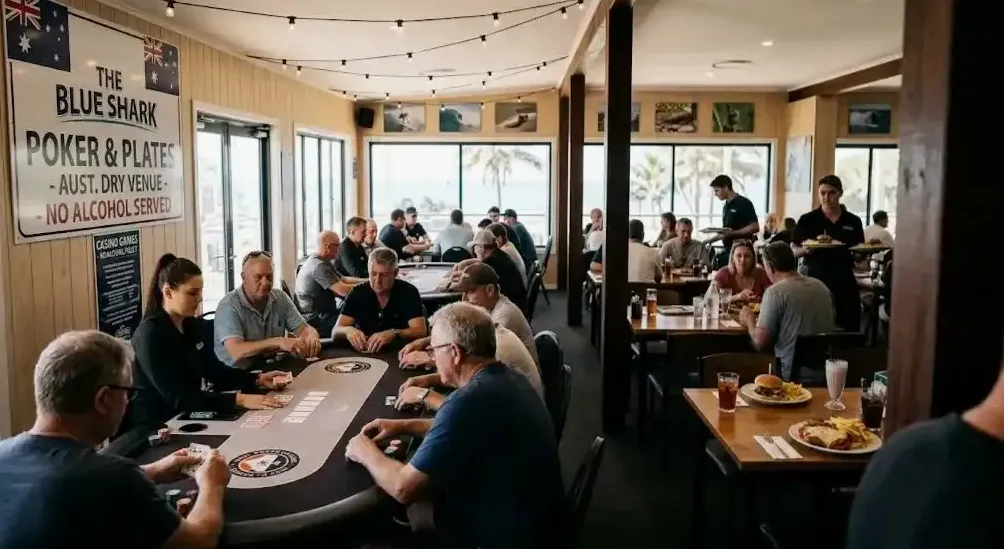
Unlike online play, live poker in an intimate speakeasy setting exposes nuanced micro-behaviors. Subtle pulse in the carotid artery, variations in chip placement velocity, and sudden alterations in conversational posture often betray capped holdings. Elite players learn to maintain rhythmic stillness.
Essential Takeaways for Enthusiasts
- Always consider board texture and reverse implied odds before pulling the trigger on the turn.
- Blockers (holding key aces or suit cards) drastically improve your mathematical success rate.
- Consistency in physical mannerisms prevents seasoned opponents from reading your range.
Bankroll Risk Management and Variance
A master bluffer never risks table survival on a single speculative hand. By allocating a strict frequency percentage to aggressive river pushes, you maintain high fold equity while preserving chips for premium showdown spots.
Explore Related Experiences
Experience MatesPub in Person
Book a table for tonight's tournament, reserve a mixology masterclass, or drop into our speakeasy bar in The Rocks.